A species
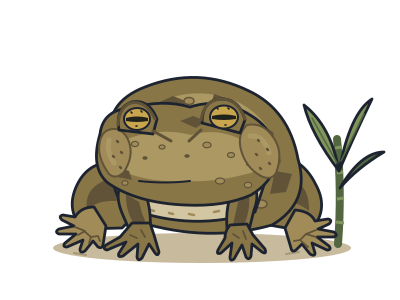
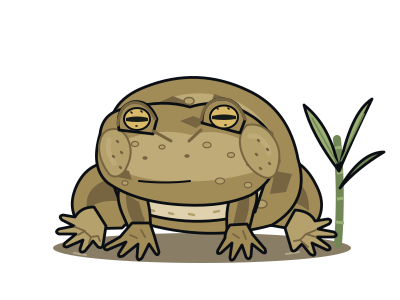
Cane toad
Rhinella marina
Brought to eat beetles, it spread instead.
You and the cane toad meet in the Four-limbed animals branch, shown at about 350 million years ago (on 1 December, in a calendar from life's shared ancestor to today).
Cane toads were brought to Australia to eat beetles damaging sugar cane. Released near Gordonvale, Queensland, in 1935, they failed to control those pests. Instead, they spread through much of Queensland, across the Northern Territory’s north into Western Australia’s Kimberley, and south into north-eastern New South Wales. They have not occupied all of Australia.
Despite the different name, a toad belongs on the frog family tree. The cane toad’s true-toad family is just one branch of the wider frog-and-toad group. Australia has no native true toads, so its wildlife met an unfamiliar poisonous relative of the frogs already living there.
Large glands behind the eyes release poison for defence. Native predators can be poisoned when they try to eat a toad. Cane toads themselves are far from beetle specialists: they eat many kinds of insects, along with frogs, small reptiles and other small animals.
Hard-to-reach beetles
The target beetles lived high on cane stalks as adults, while their young fed underground on roots.
Thousands of eggs
A female can lay tens of thousands of eggs at once—up to about 35,000.
Crowds of tadpoles
The black tadpoles often gather in large groups. They reach about 3 cm long, including the tail.
Next to it on the tree
- Tree frogsSticky toe pads and long legs let these frogs live high in trees, far from any pond.
- Poison dart frogsJewel-bright frogs whose colours warn that their skin is laced with toxins from their food.
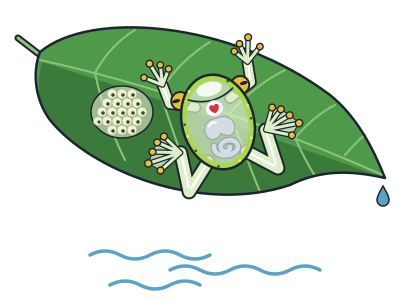
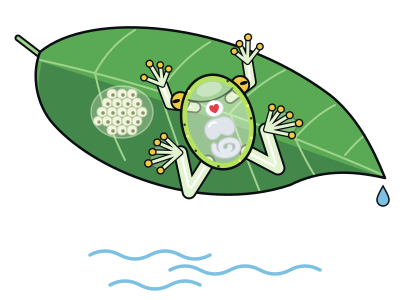
- Northern glass frogIts see-through belly shows its heart beating, and fathers guard eggs on leaves over streams.
- Amazonian horned frogA wide-mouthed ambusher with horn-like eyelids, nicknamed the Pac-Man frog.
- Darwin's frogThe father raises the tadpoles inside his vocal sac, then coughs up tiny froglets.