A species
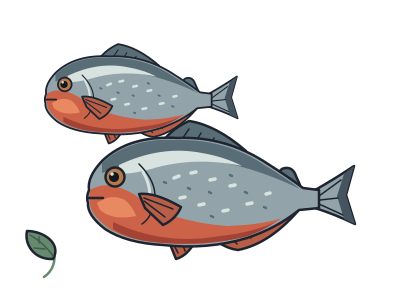
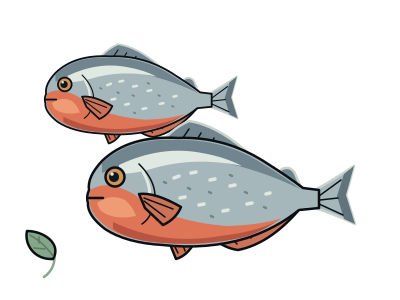
Red-bellied piranha
Pygocentrus nattereri
Sharp teeth, surprising timidity
You and the red-bellied piranha meet in the Bony fish and their descendants branch, shown at about 430 million years ago (on 24 November, in a calendar from life's shared ancestor to today).
Razor-sharp teeth, but a surprisingly timid fish: the red-bellied piranha finds safety in groups. Seeing a group does not mean you are watching a coordinated hunting pack. Its family also includes pacus, many of which eat plants and fruit rather than specialise in animal prey. There is more variety in this family than its fearsome reputation suggests.
A piranha’s triangular teeth fit together between its upper and lower jaws. Yet thick lips normally hide them, so its mouth is not a permanently toothy grin. It scavenges for food and also catches living prey. Researchers studying captive fish found that even the sight of people could make them nervous.
Safety matters when river dolphins and fish-eating birds may hunt you. Gathering in a shoal offers protection against predators. These fish live in South American fresh water, using rivers, wetlands and flooded forests. Their sharp teeth do not put them beyond danger: they are both hunters and potential meals.
Fruit is on the menu
Red-bellied piranhas sometimes eat figs and other ripe fruit.
A bowl-shaped nest
Males make shallow nests in the riverbed. Eggs occur in clusters attached to underwater plants.
A decade or more
These fish can live for ten years or more.