A species
Llama
Lama glama
A camel relative built for Andean carrying work
You and the llama meet in the Placental mammals branch, shown at about 95 million years ago (on 23 December, in a calendar from life's shared ancestor to today).
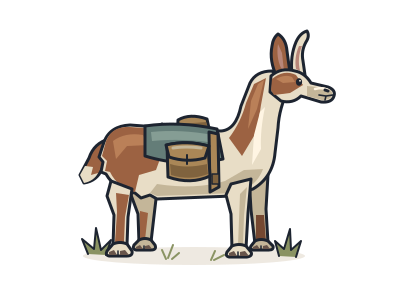
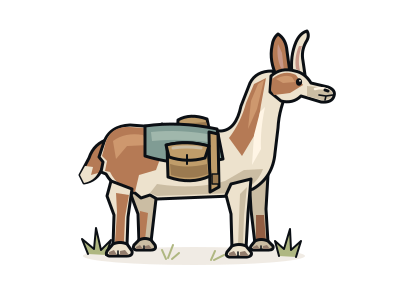
The llama is a South American camel relative, bred in the Andes to carry loads for thousands of years. Unlike a dromedary camel, it has no hump. It descends from the wild guanaco, another South American member of the camel family.
Groups of llamas carried goods between mountain communities at different heights. They helped people exchange crops and other products. Carrying was not their only use: people also made warm clothing, bags and ropes from their coats. Llamas are domestic animals, meaning people breed and keep them, rather than a naturally wild species.
Look at a llama’s feet and you will find two toes on each one, with soft, leathery pads underneath. These help it balance on rocky trails. Llamas eat grasses and shrubs and live in herds. Like cows, they bring swallowed food back into their mouths for another chew.
A humming conversation
Mother llamas hum to their young, and the young hum back.
Many coat colours
Llamas can be white, reddish-brown or black, with solid colours or patches.
A different kind of work
Some llamas are kept as guards for sheep and other livestock.
Next to it on the tree
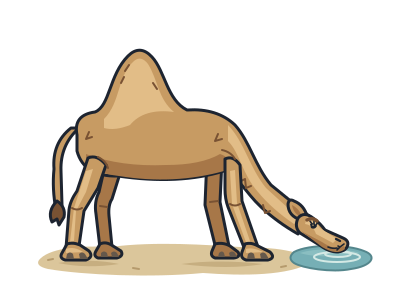
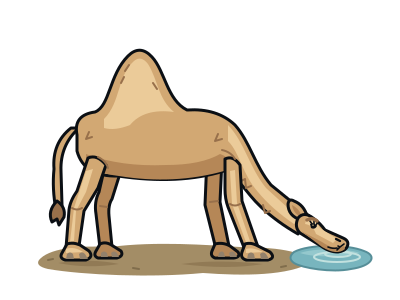
- Dromedary camelIts hump stores fat, not water; a very thirsty camel can drink about 100 litres in minutes.
- Bactrian camelThe two-humped camel of cold Asian deserts, which grows a shaggy winter coat.
- AlpacaBred from the wild vicuña for soft wool; smaller than a llama, it is kept for fleece, not carrying loads.