A species
Dromedary camel
Camelus dromedarius
A fat-filled hump, not a water tank
You and the dromedary camel meet in the Placental mammals branch, shown at about 95 million years ago (on 23 December, in a calendar from life's shared ancestor to today).
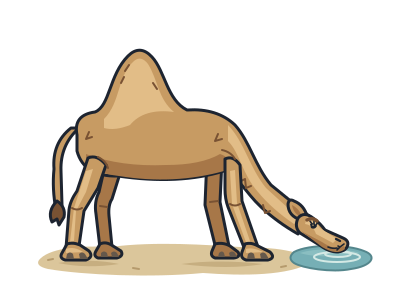
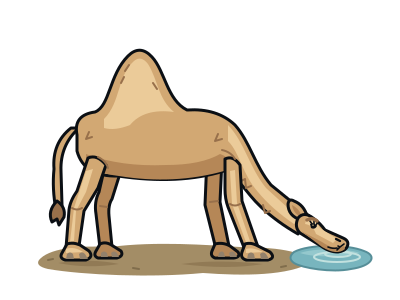
The dromedary’s hump stores fat, not water. That fat supplies energy when food is scarce. As it is used up, the hump shrinks and may lean to one side. Water goes elsewhere: a very thirsty dromedary can drink about 100 litres in minutes. That is what it can manage when thirsty, not its usual drink.
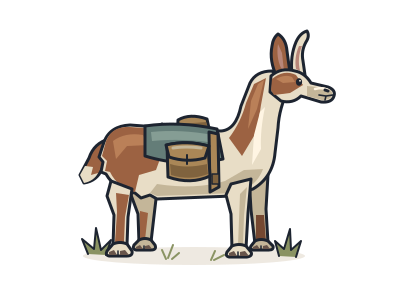
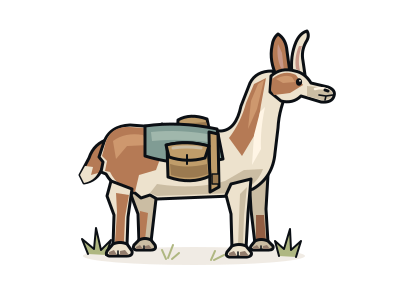
Despite its towering desert silhouette, this camel belongs to the same family as llamas and alpacas. Its feet help it cross loose sand: each has two toes and a broad, leathery pad that spreads under its weight. It feeds on grasses, shrubs and other desert plants, and commonly lives in small groups.
Saving water matters as much as finding it. Its body temperature can rise during the day, reducing the need to cool down by sweating. No original wild dromedary populations survive today. Australia’s free-living herds descend from domestic animals, rather than from a surviving native wild population.
More than sandy brown
Domestic dromedaries range in colour from almost black to nearly white.
Quick on their feet
A newborn calf can walk by the end of its first day.
Long-serving transport
People have used dromedaries for transport for more than 3,000 years.