A species
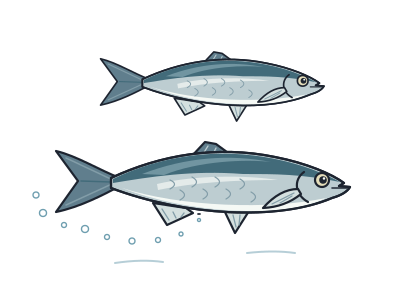
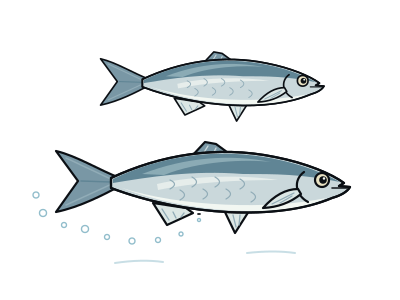
Atlantic herring
Clupea harengus
Billions of fish, with a bubbly mystery.
You and the atlantic herring meet in the Bony fish and their descendants branch, shown at about 430 million years ago (on 24 November, in a calendar from life's shared ancestor to today).
Atlantic herring can gather in shoals—groups of fish—estimated to contain billions. Such enormous gatherings are exceptional, not everyday shoal sizes. These fish also produce bursts of ticking sounds. Video recordings have linked the sounds to fine streams of bubbles released near their rear end.
Pacific herring are close relatives, but belong to a different species. Herring are also related to shads and menhadens, which modern guides place in a separate family. Salmon, cod and eels are broader relatives within the ray-finned fishes.
Atlantic herring live on both sides of the North Atlantic and in the Baltic Sea. They travel together between feeding, breeding and wintering areas. Their meals include tiny drifting animals and young fish. In turn, many fish, sharks, seabirds and sea mammals eat herring. These small fish are food for a wide range of ocean neighbours.
Loose scales
Their large scales are loosely attached to their bodies.
Egg carpets
Large breeding gatherings can leave carpets of eggs several centimetres thick on the seabed.
Numbers are not protection
The Norwegian spring-breeding population collapsed in the late 1960s after too many fish were caught.