A species
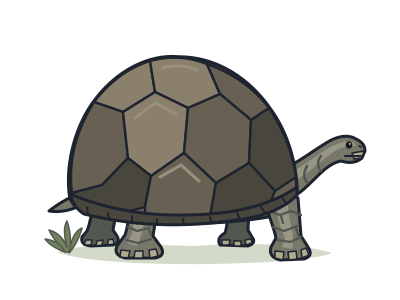
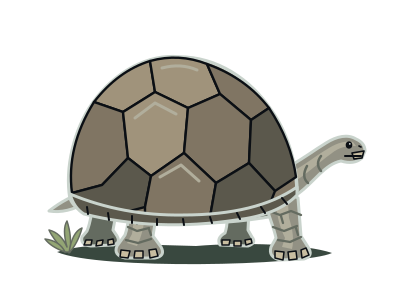
Galápagos giant tortoise
Chelonoidis niger
A land-dwelling turtle built for a long life
You and the galápagos giant tortoise meet in the Amniotes branch, shown at about 320 million years ago (on 4 December, in a calendar from life's shared ancestor to today).
A Galápagos giant tortoise can weigh more than 250 kilograms and live well past 100 years. Those heavyweight animals are large males, not every adult: females are generally smaller. Even among these giants, size varies greatly between the islands’ populations.
Despite its sturdy legs rather than flippers, this giant belongs within the turtle family tree, alongside sea turtles and snapping turtles. Tortoises are land-dwelling turtles, not a separate group outside them. Their wider family connection is surprising too: turtles are more closely related to crocodiles and birds than to lizards and snakes.
Across the Galápagos Islands, their homes range from dry, cactus-rich lowlands to wetter, grassy highlands. Shell shapes vary too. Tortoises with rounded, domed shells tend to live in wetter places with plenty of low-growing food. Saddle-backed tortoises have a shell that rises above the neck opening, giving their neck more room to reach taller plants, including cactus pads.
No teeth needed
They bite food with the hard edges of their mouths.
A shell they cannot leave
Their ribs form part of the shell. It is part of their skeleton, not a removable house.
A height contest
Competing males may stretch their necks upwards. The one holding its head highest usually wins the display.