An exploration group
Domestic dogs
Canis lupus familiaris
One kind of animal, many breeds—and a history more tangled than a tree.
Branches show genetic similarity, not direct ancestors or dated splits. Crossbreeding connects different branches.
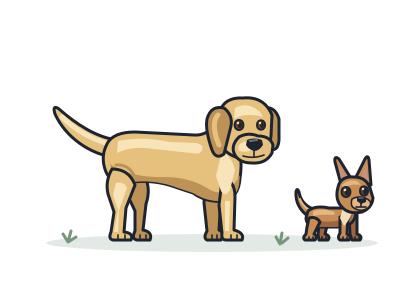
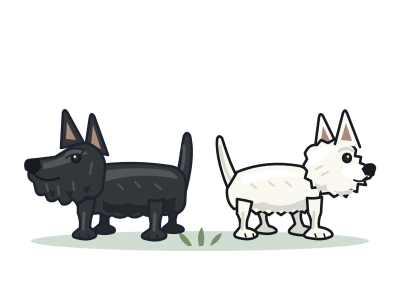
Return to the tree of life →Domestic dogs are the focus of this view, which connects modern breeds by genetic similarity. It is not a pedigree: neighbouring breeds are not shown as ancestors and descendants. These are different breeds, not separate species. All belong to the wider animal family that also includes wolves, foxes, coyotes and jackals.
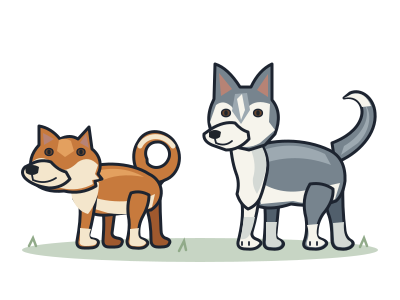
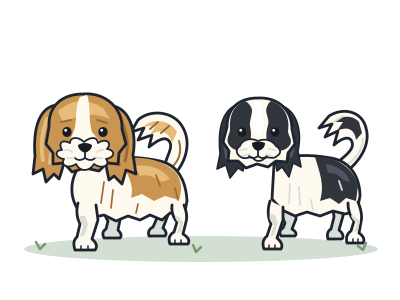
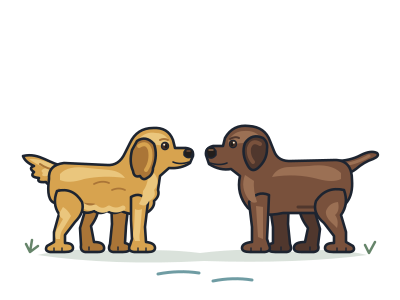
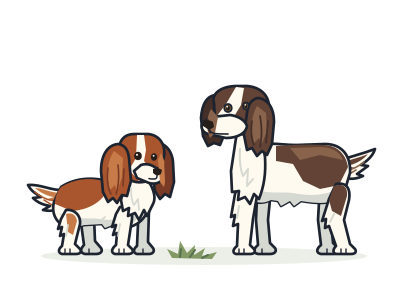
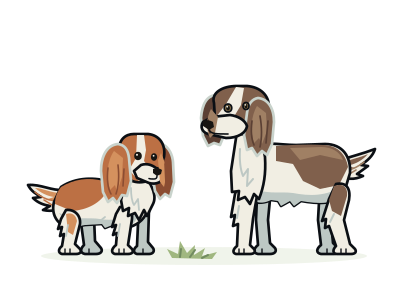
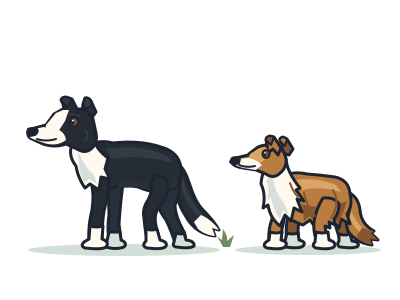
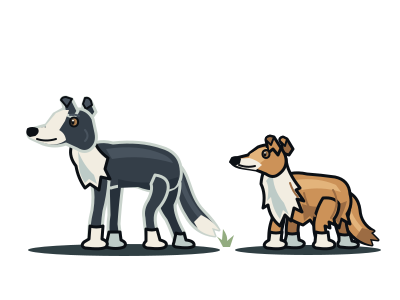
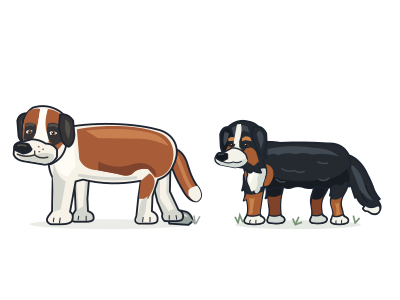
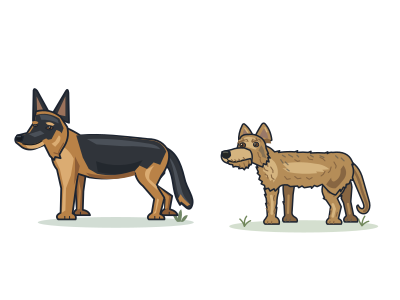
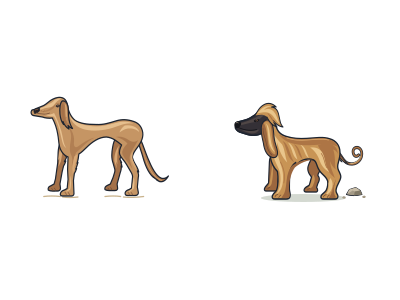
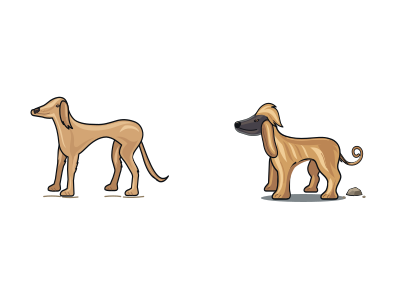
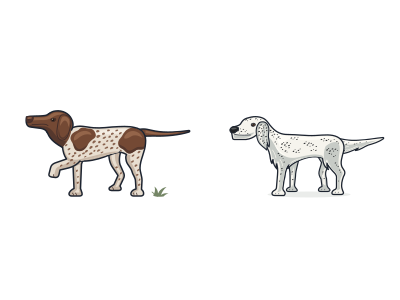
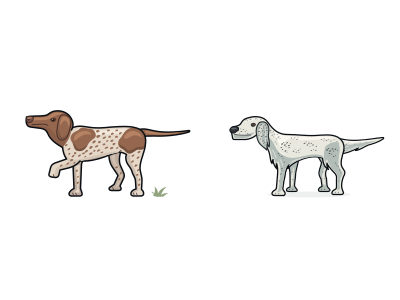
The study behind this view compared 161 breeds and identified 23 major groups. This exhibit shows fifteen of those groups. Follow their branches to find Akitas in Asian spitz, Shih Tzus in Asian toy, and Golden Retrievers in retriever. These labels describe the study’s arrangement, not necessarily where a breed comes from. German Shepherd Dogs, for example, sit in its New World group.
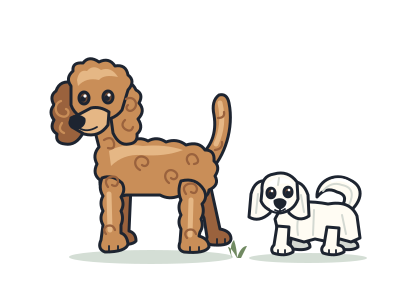
Appearances can be misleading. Some similar features arose independently, so dogs that look alike do not always belong to the same genetic group. Crossing between breeds also helped shape modern dogs. Their history therefore includes connections that a simple branching picture cannot fully show.
Before farming
Dogs were the first animals domesticated by humans, before farming began.
More than barking
Dogs communicate through body movements, sounds, scent and touch.
Many different jobs
People have bred dogs for herding, hunting, guarding, pulling loads and companionship.
Explore this group
Study attribution
Parker et al. (2017), Cell Reports 19:697–708 · CC-BY-4.0. Selected clade membership and nested Figure 1 relationships restated as a new, simplified diagram. No photographs, branch lengths or bootstrap values copied.
Selected facts/group membership adapted; simplified layout and illustrations by Lifetree.