An exploration group
Mediterranean clade
Selected Parker et al. 2017 branch
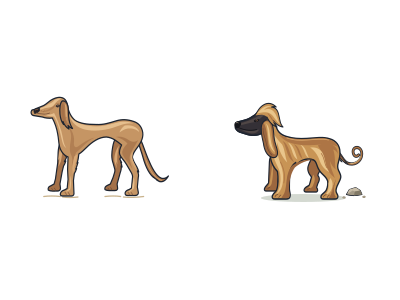
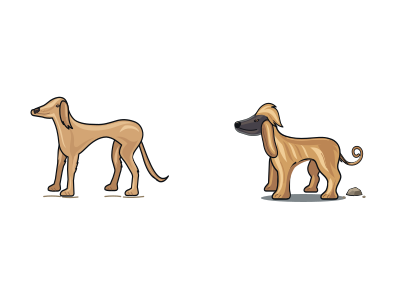
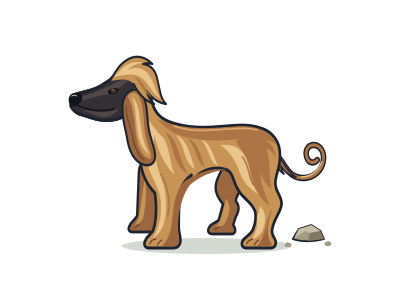
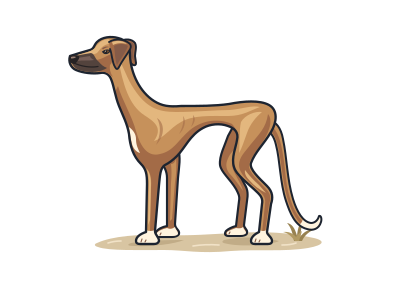
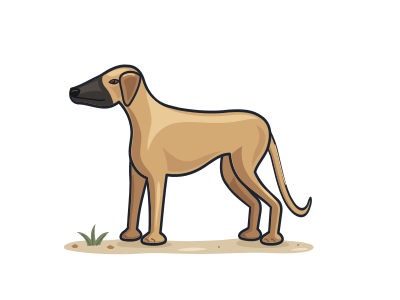
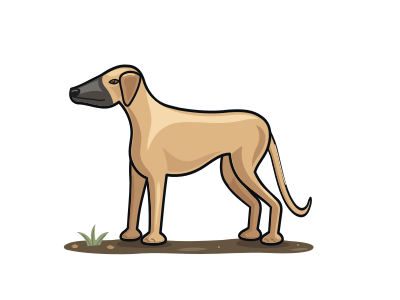
Four sighthounds on a branch that reaches beyond the Mediterranean
Branches show genetic similarity, not direct ancestors or dated splits. Crossbreeding connects different branches.
Return to the tree of life →The four sighthounds shown here are a selection from the Mediterranean study group. The name doesn’t mean all its breeds came from that coast. The group spans a wider area and also includes guardian breeds that aren’t shown here.
The Salukis sampled from their countries of origin didn’t all fall into a single group of their own. The same was true of the Sloughis in the study. That tells us about the dogs tested, not every dog of either breed. Dogs on different branches can also share stretches of DNA passed down through crossbreeding.
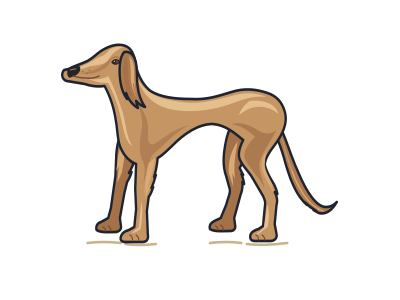
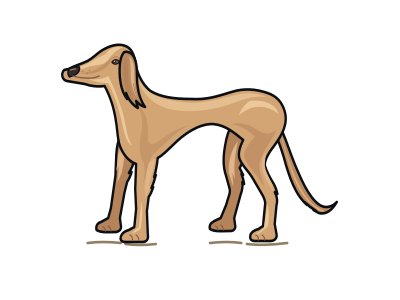
A similar sighthound shape evolved on different branches. The UK Rural group also includes sighthounds alongside working dogs that look quite different. The diagram groups dogs by similarities in their DNA, not by looks.
The dogs tested
The study sampled about 1,350 dogs from about 160 breeds.
A separate check for mixing
The researchers ran a separate analysis to look for signs of crossbreeding.
From jobs to breeds
The study distinguished earlier breeding for different jobs from later choices about which dogs to breed and cross as modern breeds took shape.
Explore this group
Study attribution
Parker et al. (2017), Cell Reports 19:697–708 · CC-BY-4.0. Selected clade membership and nested Figure 1 relationships restated as a new, simplified diagram. No photographs, branch lengths or bootstrap values copied.
Selected facts/group membership adapted; simplified layout and illustrations by Lifetree.