An exploration group
Terrier clade
Parker et al. 2017
A DNA connection, not a line of ancestors
Branches show genetic similarity, not direct ancestors or dated splits. Crossbreeding connects different branches.
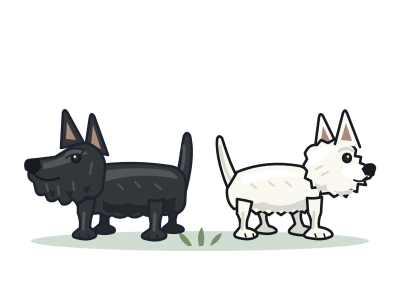
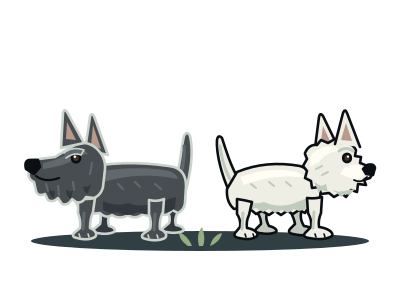
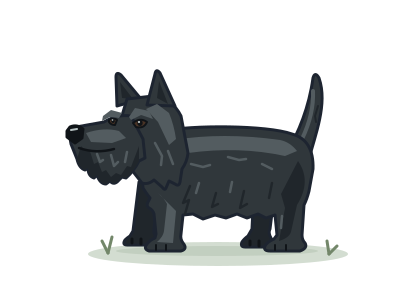
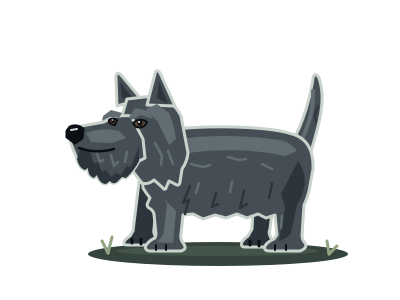
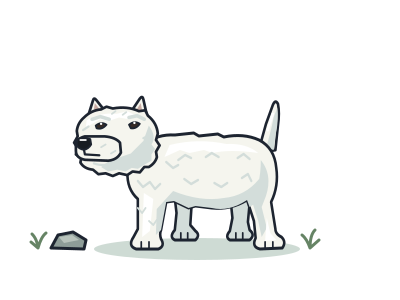
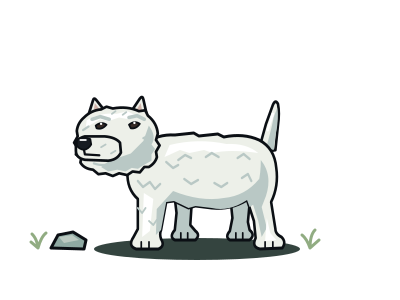
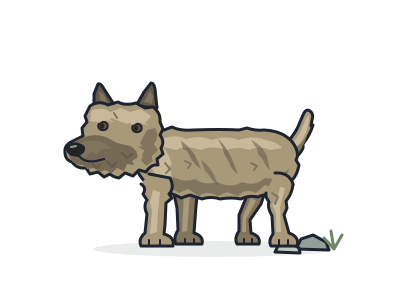
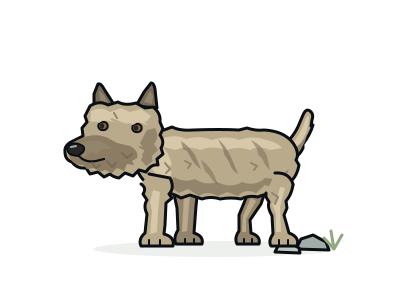
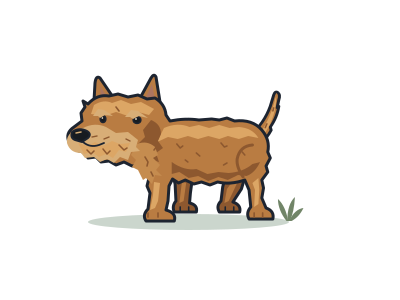
Return to the tree of life →These four terrier breeds are grouped by similarities in their DNA. Their positions here do not show one breed descending from another. The Scottish Terrier, West Highland White Terrier, Cairn Terrier and Norwich Terrier are selected examples from a study that compared 161 domestic dog breeds. Think of this display as a guide to similarities, rather than a family record showing parents and offspring.
There is a shared working history here too. Scottish, Cairn and West Highland White terriers have roots in Scotland’s working terrier dogs. This shared ancestry concerns earlier working dogs. The layout does not establish whether one breed contributed to another’s development.
The wider study found that crossings between breeds helped shape modern dogs. It also found that similar features arose more than once. So looking alike does not tell the whole family story: DNA adds evidence that appearance alone cannot provide.
Two different terrier groupings
The paper illustrated 23 breed groupings. Terrier and American Terrier were separate groupings.
An earthy name
Terrier comes from the Latin word for earth. Working terriers were bred to pursue small animals above ground and underground.
Named after rocky places
Cairn Terriers take their name from rocky outcrops on Highland moors.
Explore this group
Study attribution
Parker et al. (2017), Cell Reports 19:697–708 · CC-BY-4.0. Selected clade membership and nested Figure 1 relationships restated as a new, simplified diagram. No photographs, branch lengths or bootstrap values copied.
Selected facts/group membership adapted; simplified layout and illustrations by Lifetree.