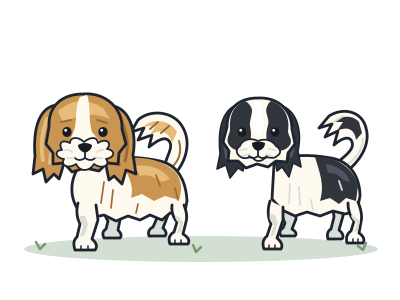
An exploration group
Asian toy clade
Parker et al. 2017
Four dog breeds linked by DNA, not a simple pedigree.
Branches show genetic similarity, not direct ancestors or dated splits. Crossbreeding connects different branches.
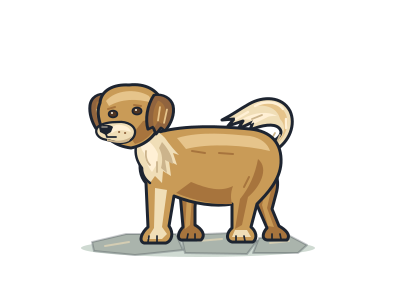
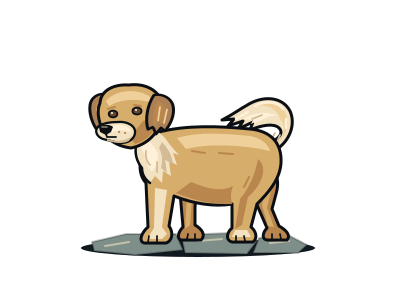
Return to the tree of life →These four dog breeds sit together because of similarities in their DNA; this layout does not trace parentage between breeds. The Shih Tzu, Pekingese, Tibetan Spaniel and Japanese Chin are selected members of a group found in one DNA study. They are all domestic dogs, not separate species. Think of this as a map of similarities, rather than a record of parents and puppies.
The grouping also shows why names and looks can mislead. A Pug is small and Asian, but the study placed it in a different group. And despite its name, the Tibetan Spaniel is not a hunting spaniel like a Cocker.
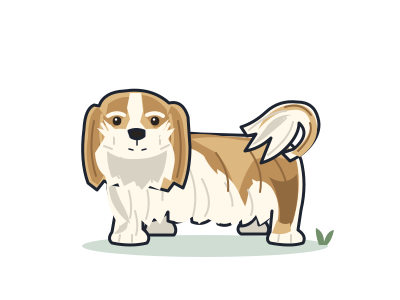
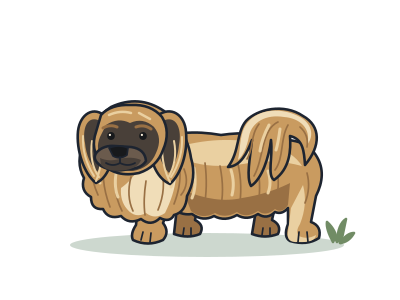
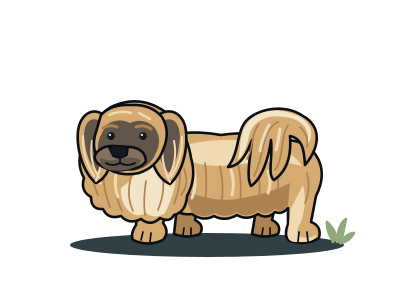
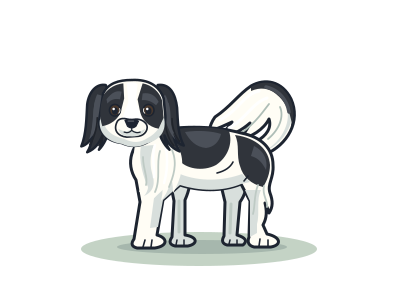
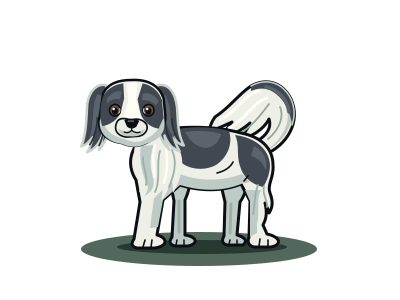
These dogs have their own stories, too. Pekingese were developed as companions for China's ruling households. They have stocky bodies and longer hair around the neck and shoulders, resembling a lion's mane. But shared DNA does not make the group's history a neat branching tree: past crossbreeding linked different breeds.
A wide comparison
The researchers compared DNA from about 1,350 dogs representing 161 breeds and identified 23 broader breed groups.
Monastery lookouts
Breed histories describe Tibetan Spaniels serving as lookout dogs on the walls of Tibetan monasteries.
A rolling walk
Pekingese have a distinctive rolling walk. This is a feature of that breed, not every dog in the group.
Explore this group
Study attribution
Parker et al. (2017), Cell Reports 19:697–708 · CC-BY-4.0. Selected clade membership and nested Figure 1 relationships restated as a new, simplified diagram. No photographs, branch lengths or bootstrap values copied.
Selected facts/group membership adapted; simplified layout and illustrations by Lifetree.