An exploration group
European mastiff clade
Parker et al. 2017
A terrier name, a mastiff connection.
Branches show genetic similarity, not direct ancestors or dated splits. Crossbreeding connects different branches.
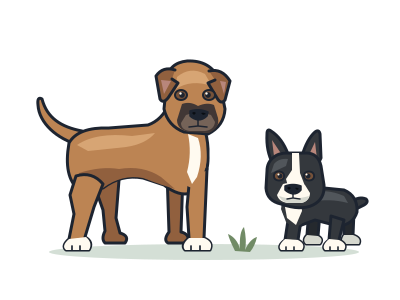
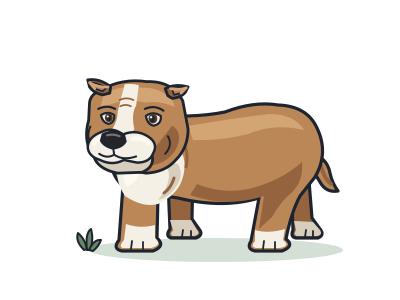
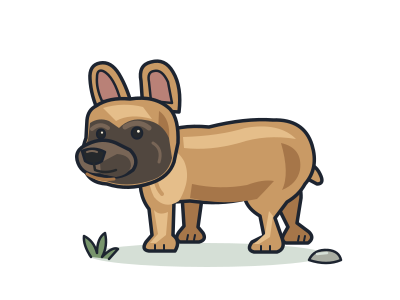
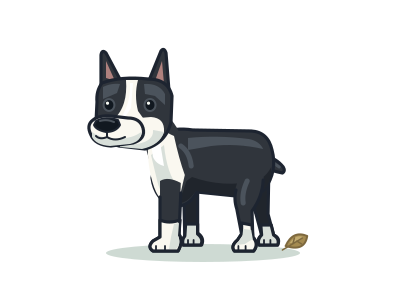
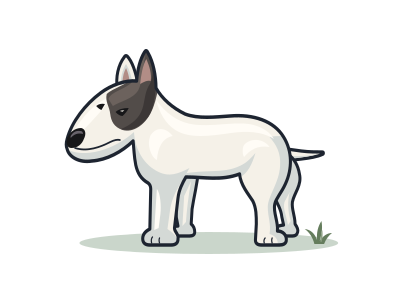
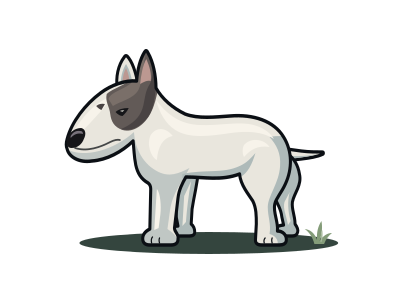
Return to the tree of life →A Boston Terrier might sound out of place beside a Boxer, but this study groups them together. This selection also includes Bulldogs, French Bulldogs, the Dogue de Bordeaux and Bull Terrier. Here, the European mastiff clade is a group identified through genetic similarities. The breeds’ different sizes and names do not tell their whole history.
Read this diagram as a guide to similarities, not a pedigree. Neighbouring breeds are not shown as ancestors and descendants. The browsing groups above them are not direct ancestors either. The layout gives no dates for when branches separated, and its spacing does not measure time or genetic difference.
That does not erase documented breed history. The Boston Terrier developed around Boston in the United States. Its recorded beginnings include Judge, a Bulldog–terrier cross brought from England. Crossbreeding helped shape many breeds, which is why the researchers warn that a branching tree alone cannot explain their full history.
A wide comparison
The researchers compared genetic information from about 1,350 dogs representing 161 breeds.
A larger group
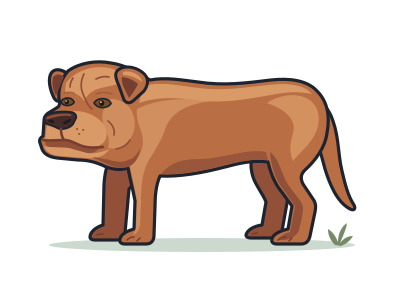
The study used an English Mastiff to illustrate the wider European mastiff grouping, which contains more than the breeds selected here.
Folded ears
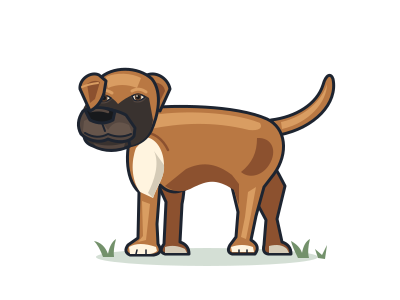
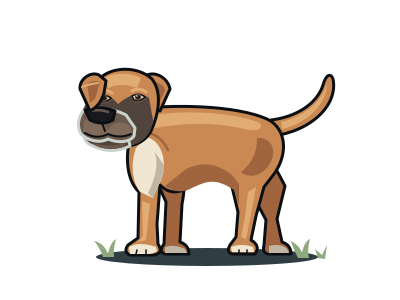
A Boxer’s natural ears fold down.
Explore this group
Study attribution
Parker et al. (2017), Cell Reports 19:697–708 · CC-BY-4.0. Selected clade membership and nested Figure 1 relationships restated as a new, simplified diagram. No photographs, branch lengths or bootstrap values copied.
Selected facts/group membership adapted; simplified layout and illustrations by Lifetree.