An exploration group
Setter relatives
Selected Parker et al. 2017 branch
Three setter breeds on one branch
Branches show genetic similarity, not direct ancestors or dated splits. Crossbreeding connects different branches.
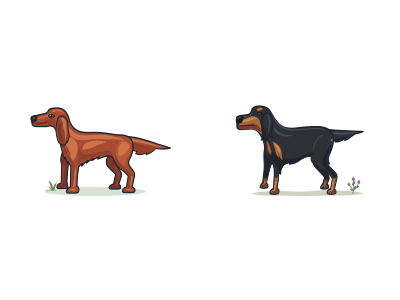
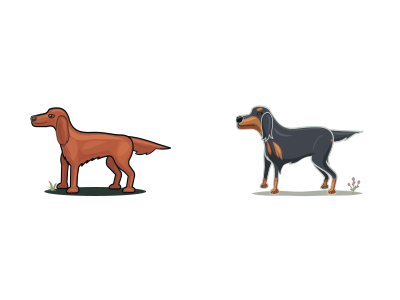
Return to the tree of life →Irish, English and Gordon setters are neighbours on this diagram because the study found similarities in their DNA. They are three breeds of domestic dog, not three separate species.
The study places them within a wider branch that also includes the Brittany. The Brittany is not shown here. These three breeds are a selection, not a list of every breed called a setter.
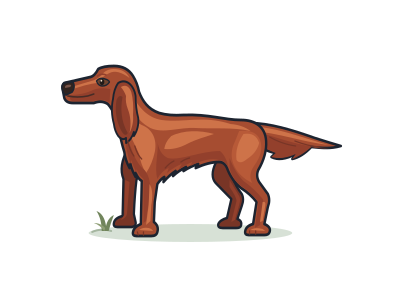
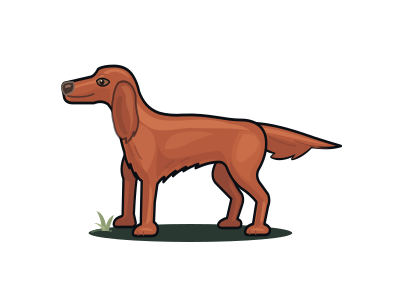
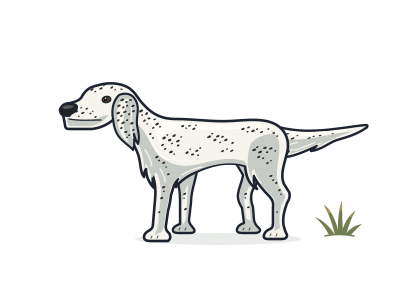
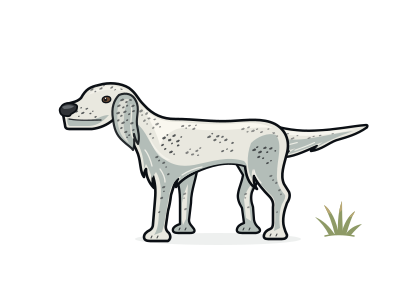
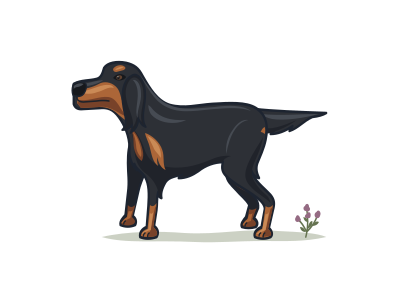
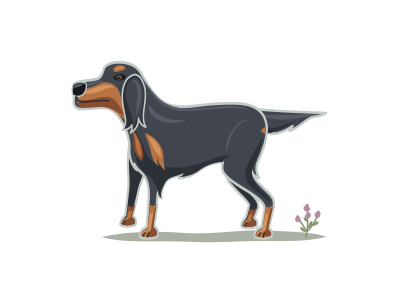
Their coats offer an easy comparison: the Irish Setter is chestnut red, the English Setter has a white coat with coloured flecks, and the Gordon Setter is black and tan. These recognisable modern forms developed through breeding choices; similar working roles do not establish a single founding cross. Each has feathering on its ears, legs and tail.
English lines
Edward Laverack developed an influential English Setter line in the 1800s. Richard Purcell Llewellin later used dogs from it alongside other dogs in his own hunting line.
Irish colour histories
Red and red-and-white working setters were bred together in eighteenth-century Ireland, before they became the separate registered breeds of today.
Gordon Castle
Alexander Gordon developed a Scottish line in the early 1800s. Older black-and-tan working setters already existed; the castle was not the beginning of every setter.
Explore this group
Study attribution
Parker et al. (2017), Cell Reports 19:697–708 · CC-BY-4.0. Selected clade membership and nested Figure 1 relationships restated as a new, simplified diagram. No photographs, branch lengths or bootstrap values copied.
Selected facts/group membership adapted; simplified layout and illustrations by Lifetree.